
Introduction
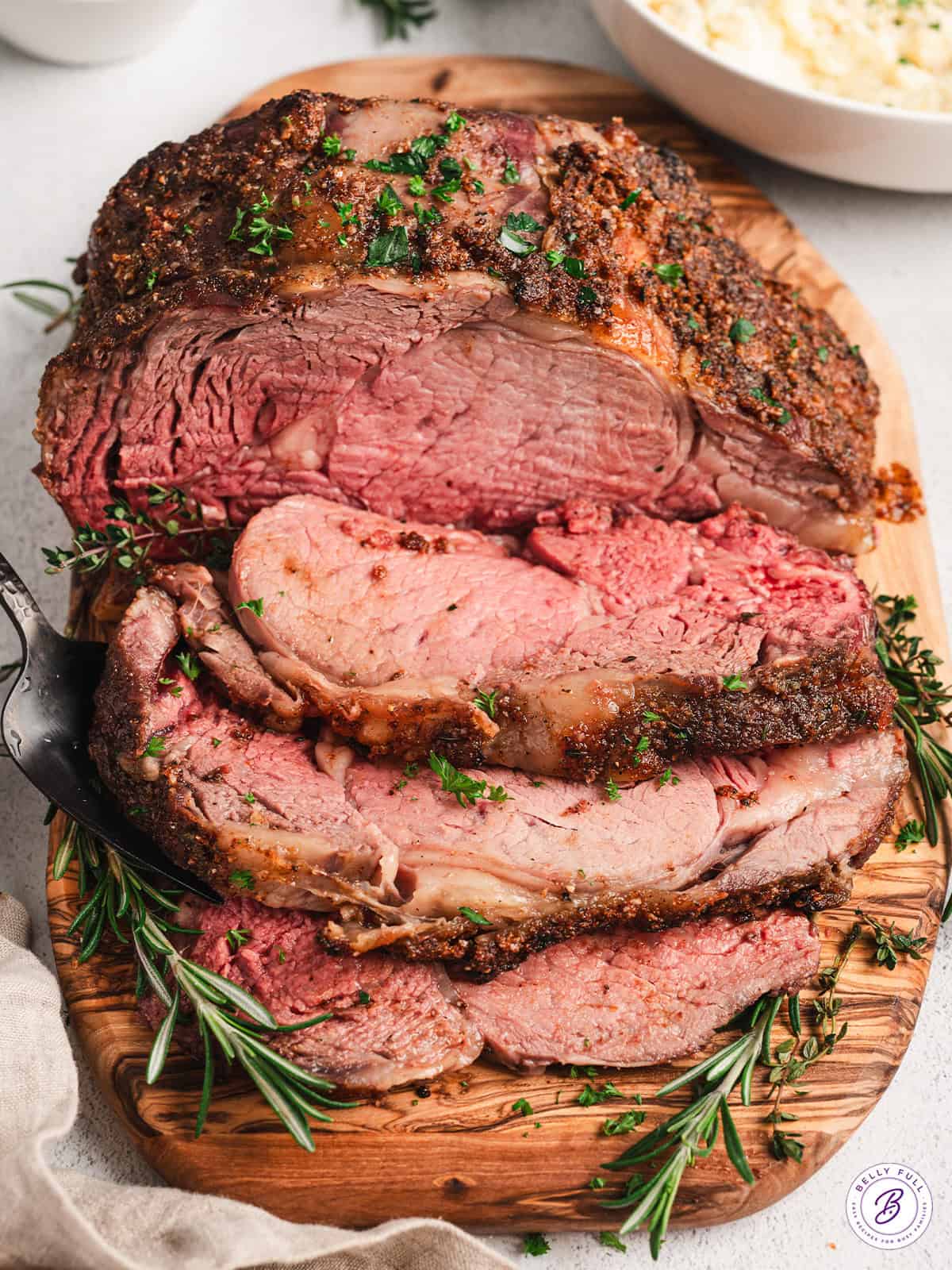
This Pepper Parm Prime Rib is a bold, flavorful roast that combines the richness of prime rib with a crust of cracked black pepper, garlic, and parmesan. The result is a beautifully seared exterior and an incredibly tender, juicy interior. Perfect for holidays, gatherings, and impressive weekend dinners, this recipe elevates a classic prime rib with simple yet powerful flavors.
Why You’ll Love This Recipe
- Uses minimal ingredients while delivering a gourmet, restaurant-quality finish.
- Black pepper and parmesan form a savory crust that enhances the natural richness of the beef.
- Oven-searing method guarantees a perfectly browned exterior.
- Straightforward preparation suitable for beginners and experienced cooks.
- Flexible doneness options with oven timing and temperature guides.
- Works beautifully with fresh herbs for an aromatic twist.
- Ideal centerpiece for festive meals, family dinners, or special occasions.
Ingredients
Main Ingredients
- 1 prime rib roast, 1.8 to 2.2 kg (4–5 lbs)
- 2 tablespoons olive oil
- 3 tablespoons coarsely crushed black pepper
- 2 tablespoons grated parmesan
- 4 garlic cloves, finely minced
- 1 tablespoon salt
- Fresh herbs (thyme, rosemary, parsley), optional
Directions
Step 1: Prepare the Roast
- Bring to room temperature – Remove the prime rib from the refrigerator 1 hour before cooking so the meat warms slightly and cooks evenly.
- Preheat the oven – Heat the oven to 230°C (450°F).
Step 2: Season the Roast
- Make the rub – In a small bowl, combine olive oil, minced garlic, black pepper, salt, and grated parmesan.
- Massage the meat – Rub the entire surface of the prime rib with the seasoning mixture, ensuring an even coating.
- Add herbs – If desired, press fresh herbs onto the surface for extra aroma.
Step 3: Roast the Prime Rib
- Prepare the setup – Place the prime rib on a rack set over a roasting pan to allow proper air circulation and even cooking.
- High-heat sear – Roast for 15 minutes at 230°C (450°F) to develop a flavorful crust.
- Lower the heat – Reduce the oven temperature to 160°C (325°F) and continue cooking following these guidelines:
- Rare: 50–55 minutes
- Medium-rare: 1 hour to 1 hour 10 minutes
- Medium: 1 hour 15 minutes to 1 hour 25 minutes
- Rare: 50°C internal temperature
- Medium-rare: 55°C
- Medium: 60°C
Step 4: Rest the Roast
- Rest properly – Remove the roast from the oven and tent loosely with aluminum foil.
- Let it rest 15–20 minutes – This allows the juices to redistribute, resulting in a more tender and juicy roast.
Step 5: Serve
- Slice into thick portions – Carve the roast into generous slices.
- Drizzle pan juices – Spoon the natural cooking juices over the slices.
- Optional finishing touch – Add freshly grated parmesan and a crack of pepper before serving.
Tips for Best Results
- A room-temperature roast cooks more evenly and avoids gray edges.
- Always use freshly cracked black pepper for the best flavor and texture.
- A rack is essential to prevent the meat from sitting in its juices and becoming soggy.
- Resting is crucial; skipping this step will make the meat dry when sliced.
- For perfect doneness, rely on a meat thermometer rather than time alone.
- Choose a well-marbled roast for a more tender and flavorful result.
Variations & Substitutions
- Herb-crusted version: Add chopped rosemary and thyme directly into the rub.
- Garlic-parmesan crust: Increase parmesan to 3 tablespoons and add an extra garlic clove.
- Spicy twist: Mix 1 teaspoon crushed red pepper flakes into the rub.
- Lower-sodium option: Reduce salt to ½ tablespoon and increase herbs for more flavor.
- Dairy-free version: Omit the parmesan and use a coarse pepper and herb crust.
Serving Suggestions
- Pair with creamy mashed potatoes, roasted vegetables, or a crisp green salad.
- Serve with horseradish cream, dijon mustard, or a simple garlic butter sauce.
- Ideal for Christmas dinner, Thanksgiving alternatives, or elegant Sunday meals.
- Present the roast on a wooden board with herbs and juices for a stunning table display.
Storage & Reheating
- Refrigerator: Store leftovers in an airtight container for up to 4 days.
- Freezer: Wrap slices tightly and freeze for up to 2 months. Thaw overnight in the refrigerator.
- Reheating: Warm gently in a 150°C (300°F) oven for 10–12 minutes or reheat slices in a covered skillet with a splash of broth to retain moisture.
Nutrition Information
Per Serving (about 200g):
- Calories: 520 kcal
- Carbohydrates: 2g
- Protein: 45g
- Total Fat: 36g
- Saturated Fat: 15g
- Polyunsaturated Fat: 1.5g
- Monounsaturated Fat: 15g
- Trans Fat: 0g
- Cholesterol: 150mg
- Sodium: 710mg
- Potassium: 640mg
- Fiber: 0g
- Sugar: 0g
- Vitamin A: 20 IU
- Vitamin C: 0mg
- Calcium: 60mg
- Iron: 3.5mg
Nutritional values are approximate and may vary depending on specific cuts and ingredients.
FAQ
Can I cook this prime rib without a rack?
Yes, but a rack helps air circulate evenly. If you do not have one, place the roast on halved onions or carrots.
How do I keep the crust from burning?
If the pepper or parmesan starts to darken too much, loosely cover the roast with foil during the second stage of cooking.
Can I prepare the seasoning ahead of time?
Absolutely. The rub can be made 24 hours in advance and stored in the refrigerator.
Should I trim excess fat from the roast?
Keep most of it. The fat cap enhances flavor and protects the meat from drying out.
What if I want well-done meat?
Prime rib is best enjoyed medium or below, but for well-done, cook until the internal temperature reaches 70°C and tent with foil to prevent drying.